The Unapologetic Brazilian Couture - RIOFW 2026-

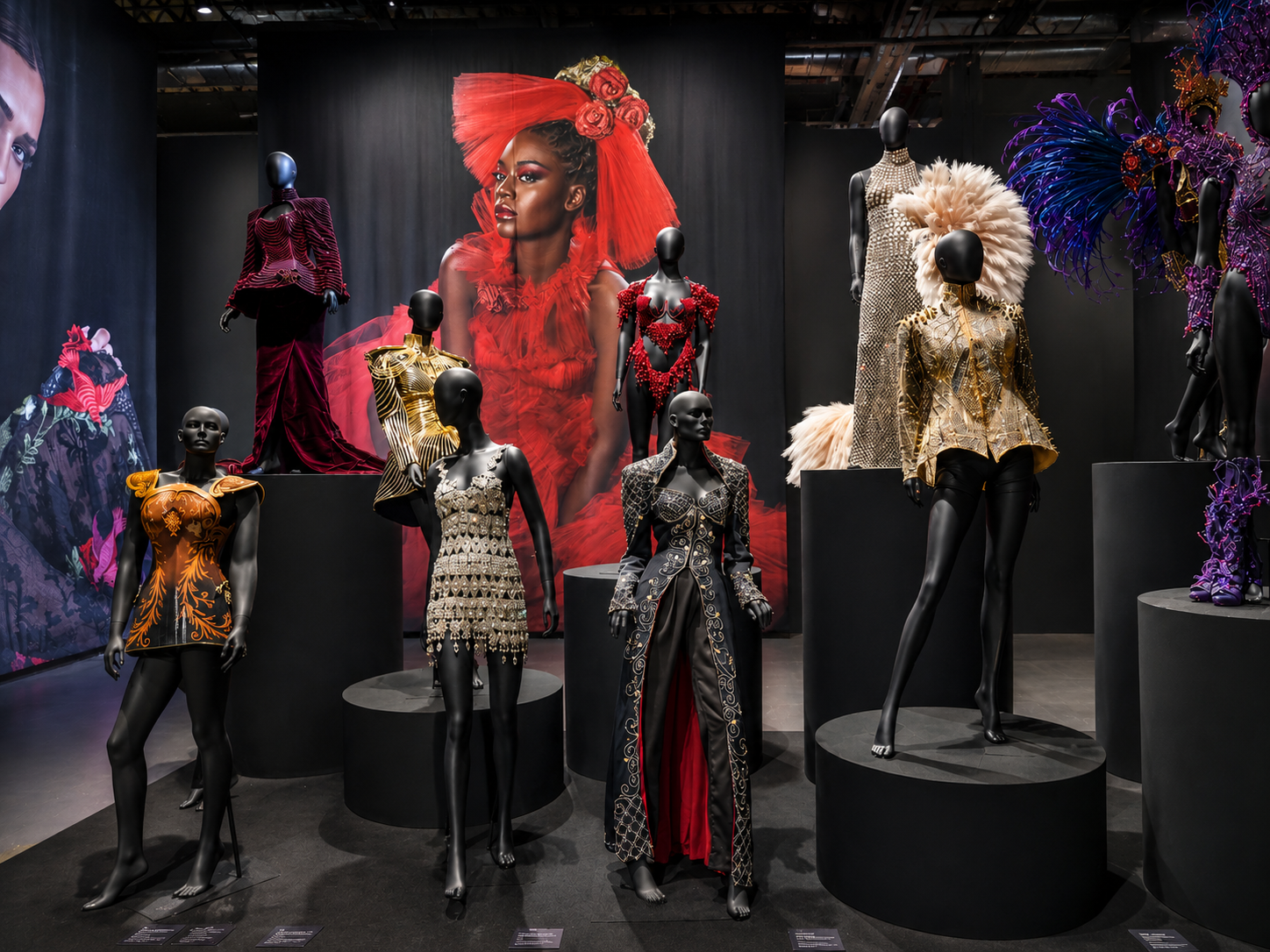
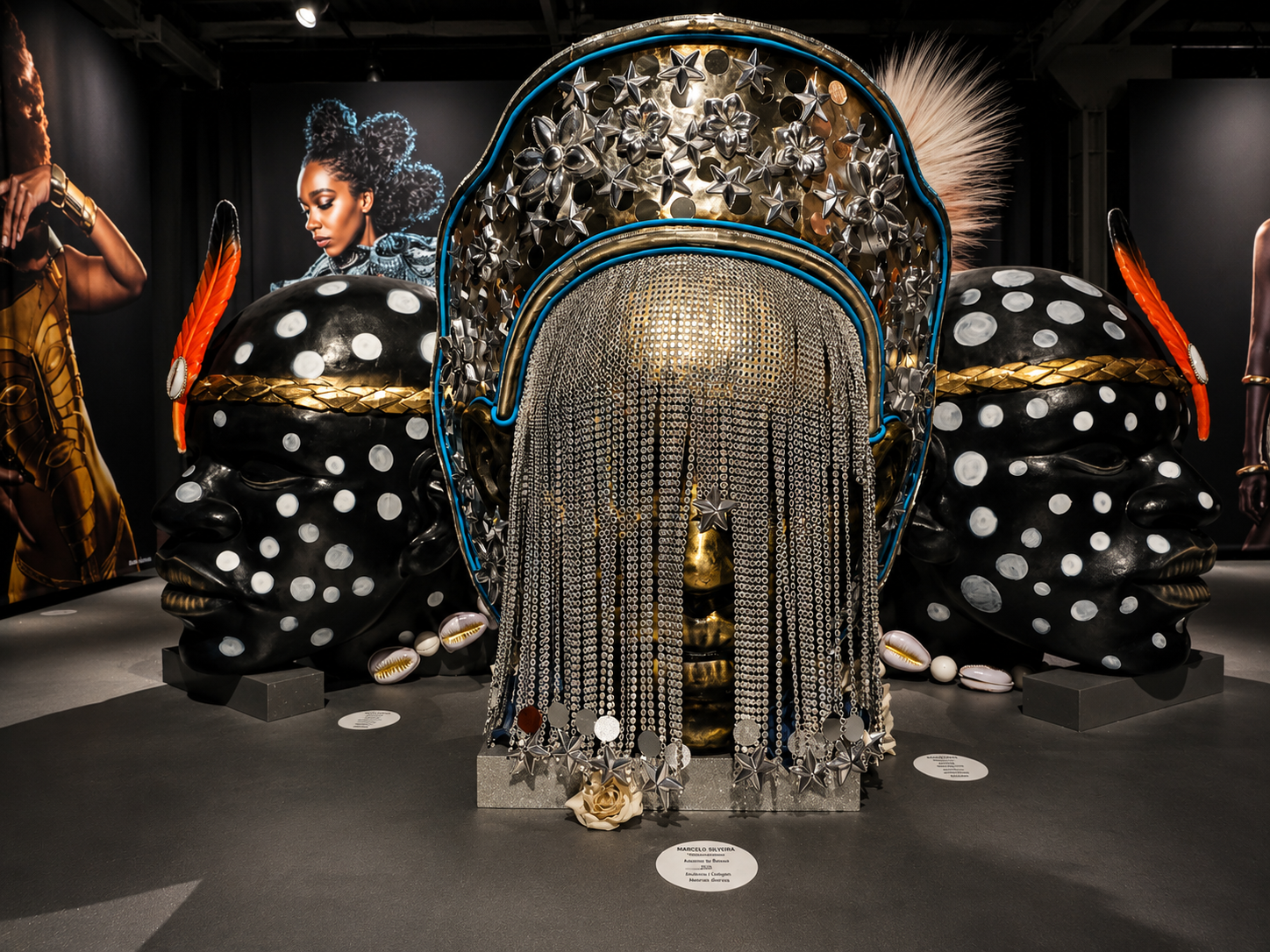
The 2026 Rio Fashion Week unfolded as far more than a series of runway shows. It was a vivid celebration of culture, spotlighting Brazil’s diverse version of high fashion. The exhibition “A Alta Costura do Carnaval,” one of its defining highlights, set out to frame Rio’s Carnival as a form of haute couture. At first glance, the idea felt compelling, yet something didn’t quite align.
It wasn’t about positioning Brazilian Carnival as form of high sewing or elevated dressmaking. What intrigued me was something far more essential. While admiring the exhibition I realized: Carnival refuses to fit within the rigid structure of European couture. Rather than translating haute couture, Brazil reshape it entirely, creating a new couture language rooted in high skill techniques, movement, collectivity, and spectacle.
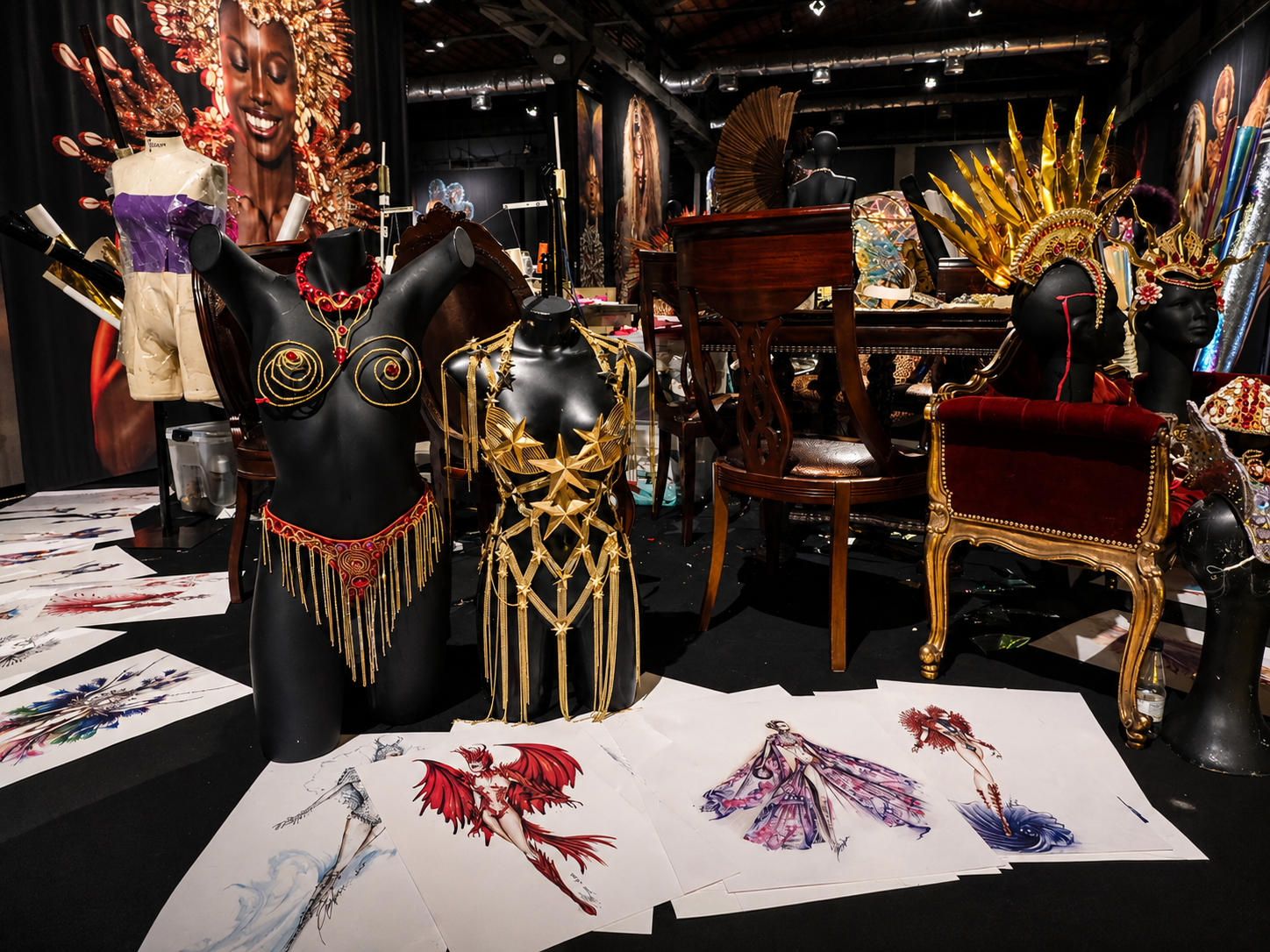
In truth, the art of couture remains tightly governed by Fédération de la Haute Couture et de la Mode, where Parisian haute couture is defined by intimacy, precision, and the rarefied salon. A practice as exacting as it is aspirational, often far removed from everyday life.
In contrast, Rio’s Carnival reclaims these same codes and transforms them into something radically democratic. Here, couture is not the domain of a select few, but a collective act of creation, brought to life by extraordinarily skilled, yet often uncelebrated artisans whose talent is rooted in community.
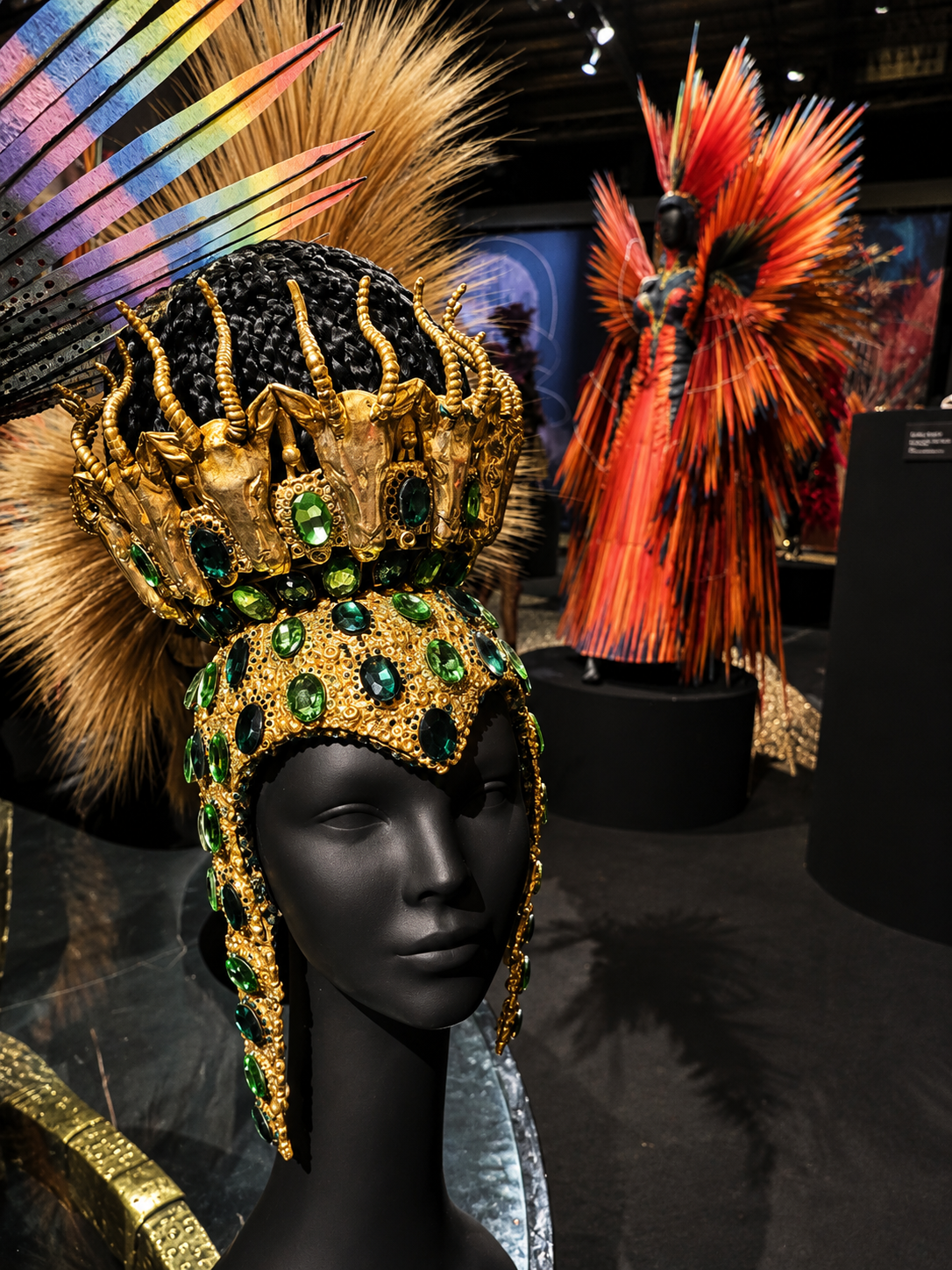
Rather than an elitist ritual, Carnaval couture emerges as a popular expression of creative grandeurwhere craftsmanship is shared, lived, and performed. It is in this intersection of artistry and community that Brazil redefines couture itself: not as exclusivity, but as abundance; not as distance, but as participation.
Carnival becomes the ultimate runway for Brazil’s most emerging designers, where samba schools transform into ateliers, and each parade look rivals the artistry of couture maisons.
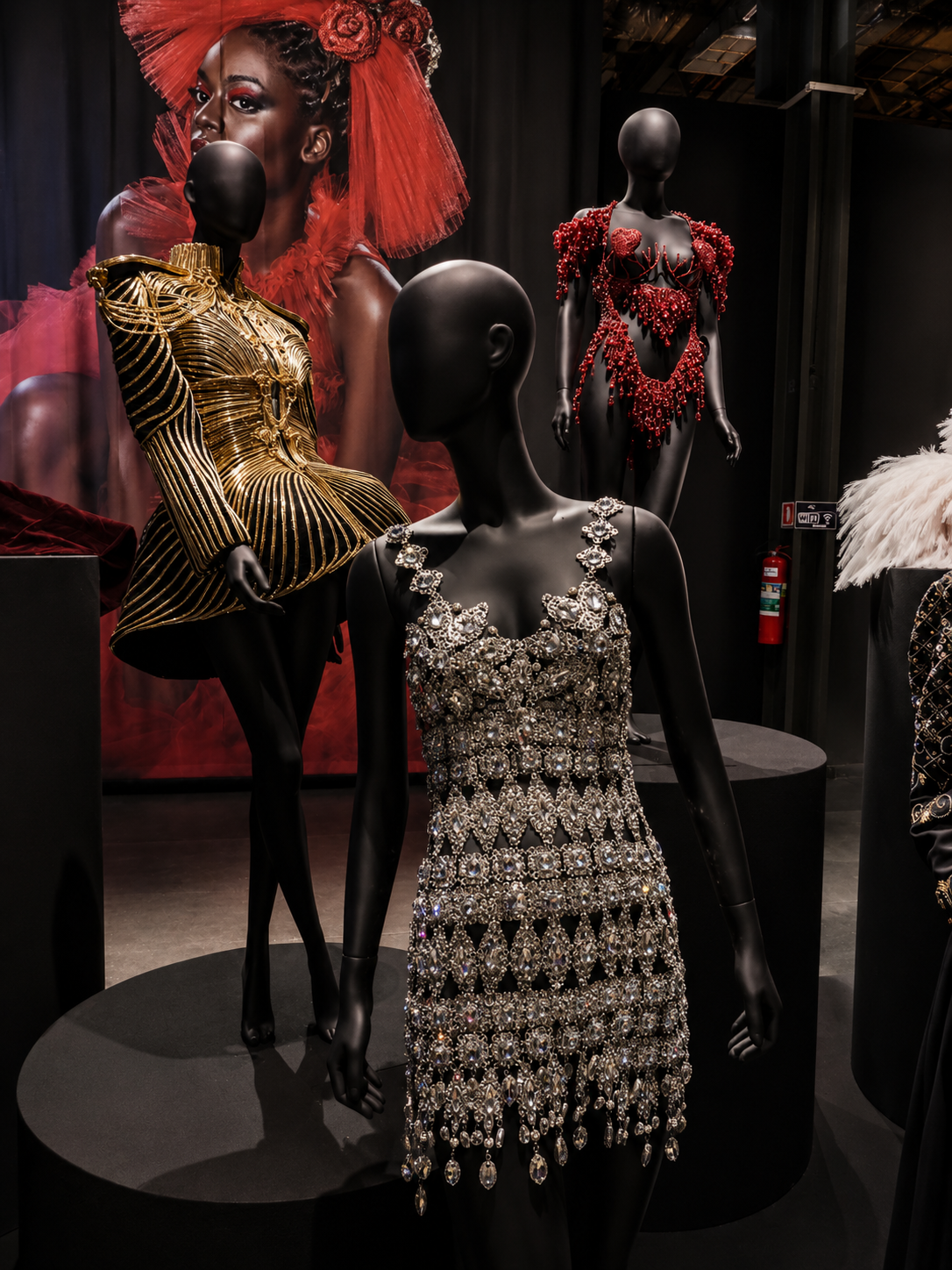
The Brazilian brand MISCI was among the pioneers in collaborating with the legendary samba school Beija-Flor de Nilópolis, presenting its show at Marquês de Sapucaí, the iconic avenue where Carnival’s grand parades take place.
Perhaps this is why Brazilian Carnival cannot simply be absorbed into the traditional vocabulary and world of haute couture. Its power lies precisely in its refusal to conform. While European couture has long been defined by exclusivity and restraint, Carnival transforms craftsmanship into something collective, excessive, emotional, and alive.
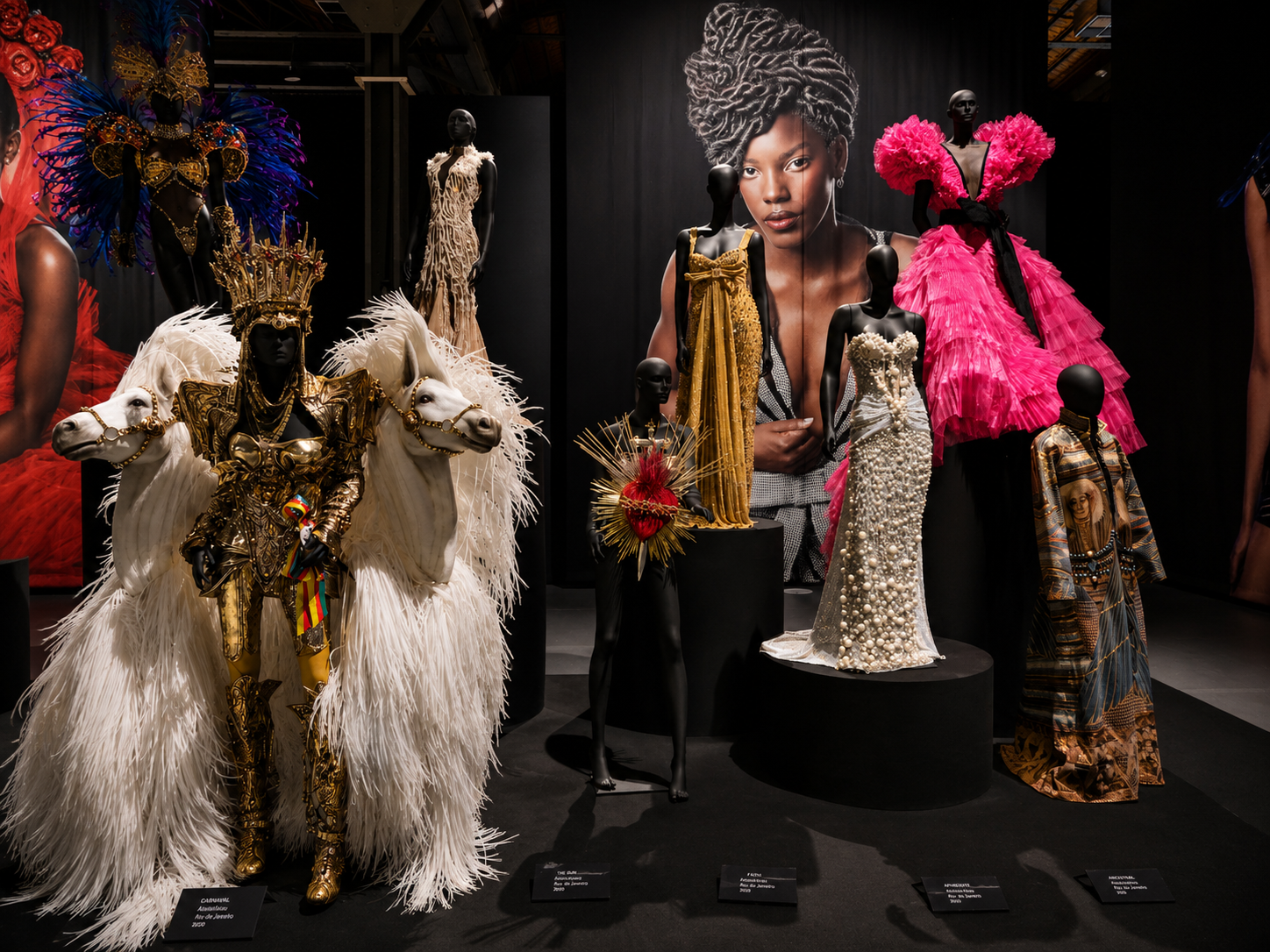
In Brazil, couture does not remain confined to the salon; it moves through the streets, across the Sambadrome, and within the bodies of thousands of performers and artisans. What emerges is not an imitation of Parisian fashion tradition, but a distinctly Brazilian vision of couture, one where spectacle itself becomes artistry, and participation becomes luxury.
Pictures and text by Flavia Feijo - flavia@ringo-magazine.com -