The MET - COSTUME ART -

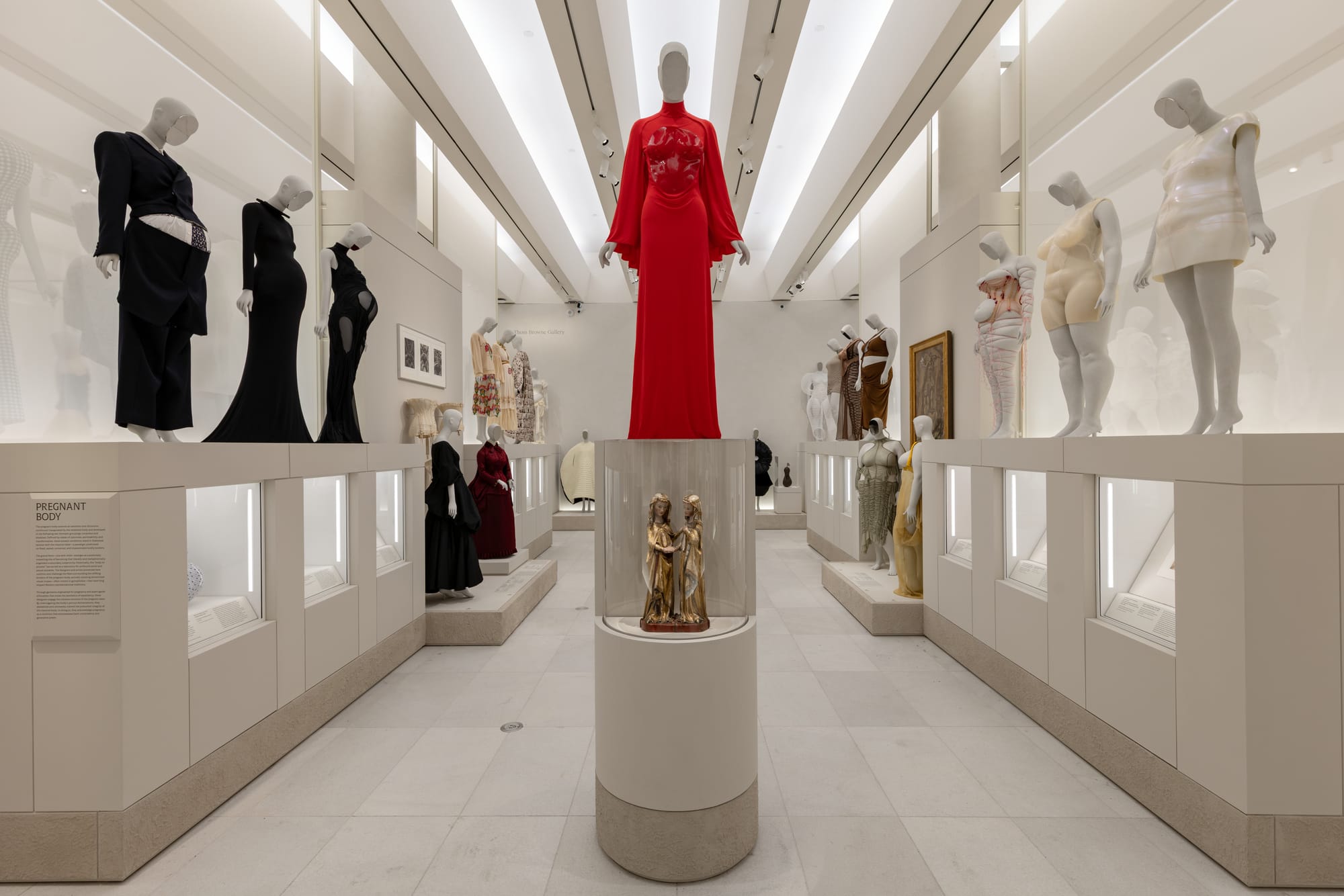
For fashion lovers, one of the most anticipated moments of the year has arrived once again. Costume Art brings together garments from The Met’s collection to reveal the intrinsic relationship between clothing and the body. More than objects of beauty, these pieces reveal how dress shapes identity, movement, and self-expression, underscoring the enduring significance of fashion in contemporary society.
“Human bodies are dressed bodies” (Turner, 1985)
Fashion cannot exist without the body, as clothing acquires meaning only when worn, performed, and experienced through bodily presence. Without the body, garments remain merely constructed fabrics without movement, identity, or social significance. Simultaneously, the body also depends on fashion as a form of communication and representation, through which individuals express identity, status, culture, gender, and belonging.
Costume Art is unique because it presents diverse types of bodies and explores their relationship with fashion. In this exhibition, the body is not treated merely as a hanger for clothing, but as an active site where fashion is performed and experienced in motion. As Negrin (2022) argues, fashion emerges through the interaction between dress and bodily movement, posture, and presence in space. By showcasing different bodies, the exhibition challenges traditional beauty standards and expands the understanding of fashion as an embodied and inclusive practice.
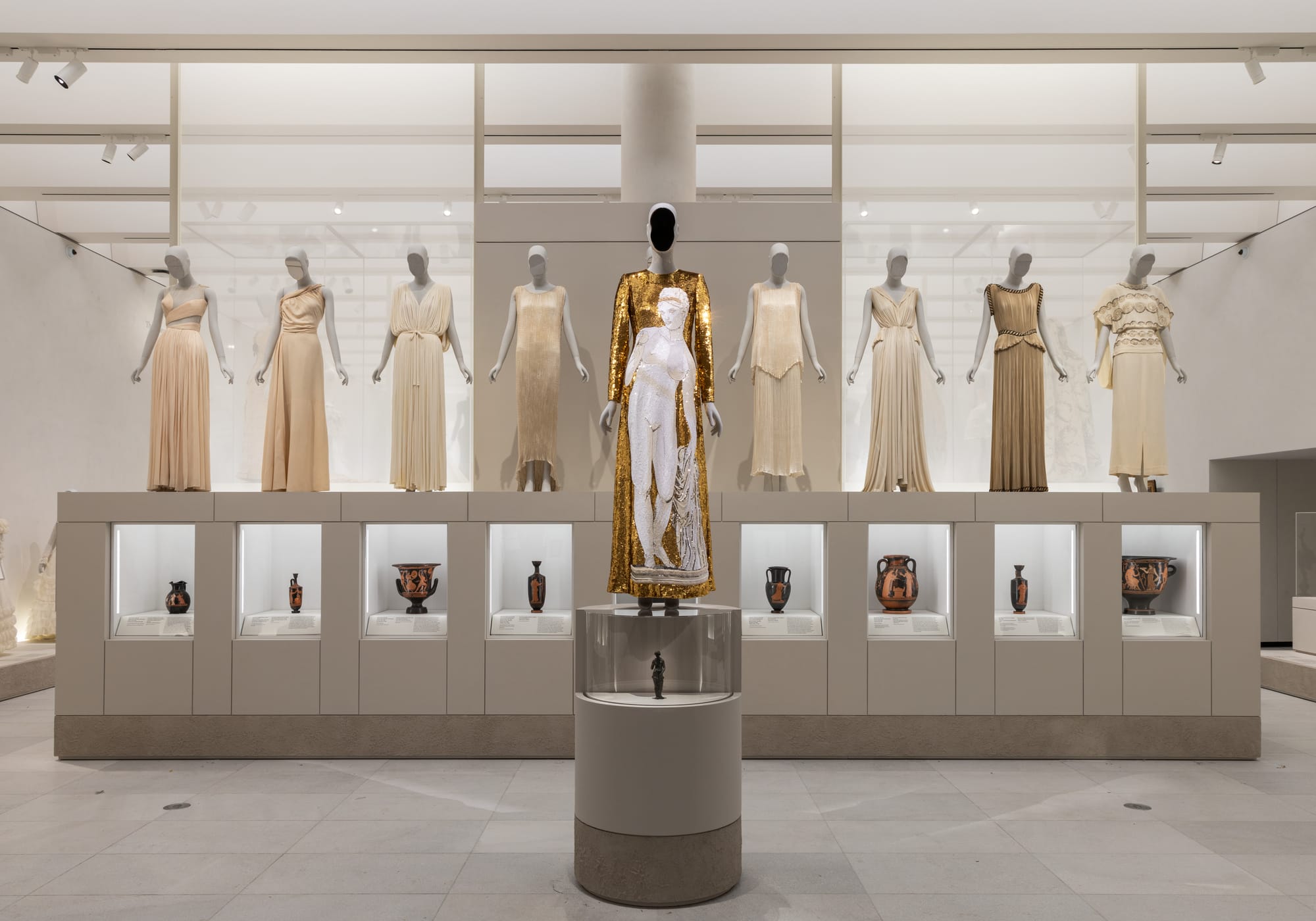
The exhibition starts up with “The Classical Body”, by stablishing a visual dialogue between ancient sculpture and contemporary fashion. The Greco-Roman statues with garments inspired by classical drapery, emphasize how ideals of beauty, proportion, movement, and human forms were central in fashion.
The exhibition moves then to “The Abstract Body,” shifting away from the harmony and idealized proportions of classical beauty toward a more conceptual understanding of the body in fashion. In this section, the garments no longer simply follow the natural contours of the human figure; instead, they reshape, exaggerate, and reinterpret bodily form through silhouette, volume, texture, and structure.
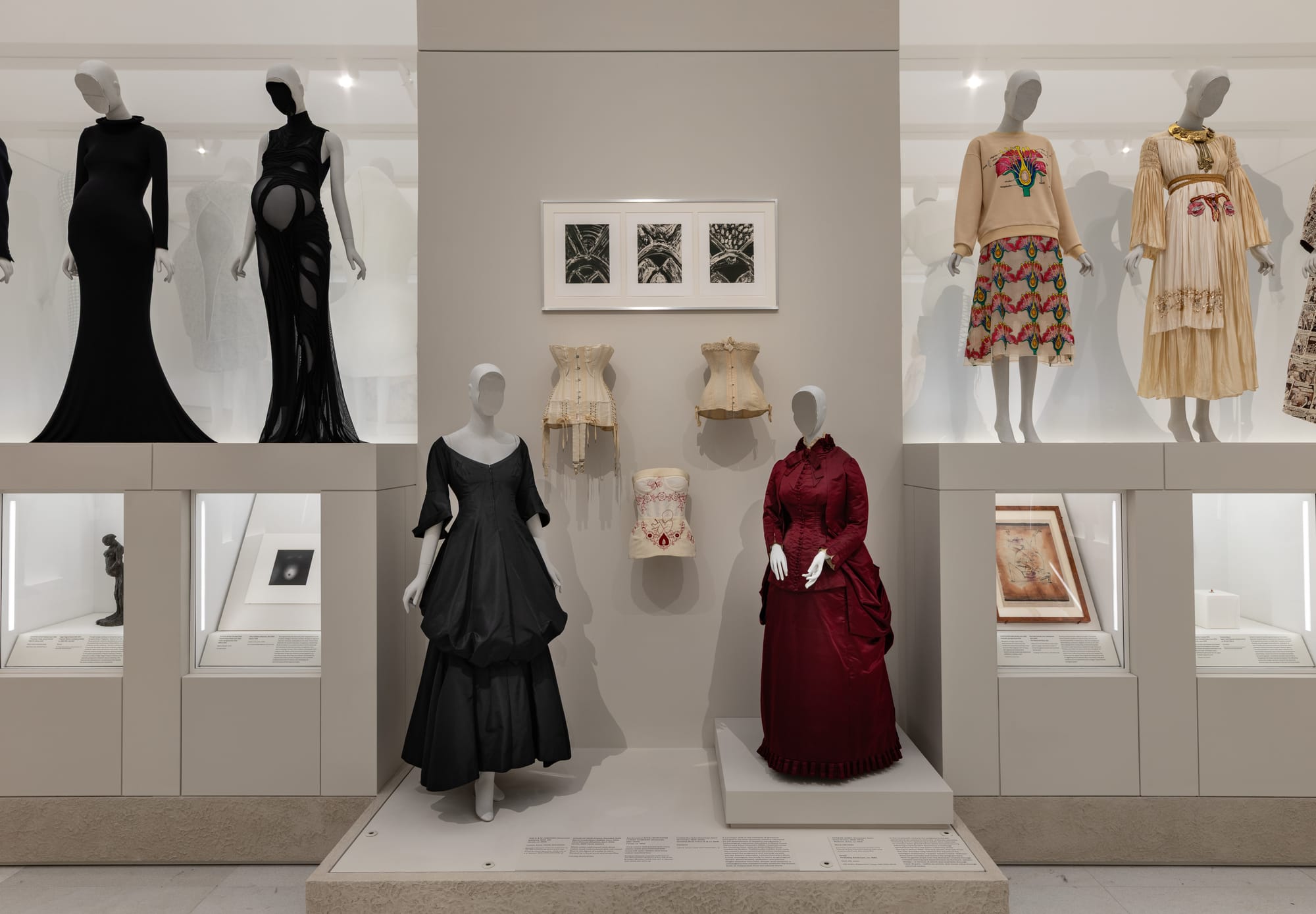
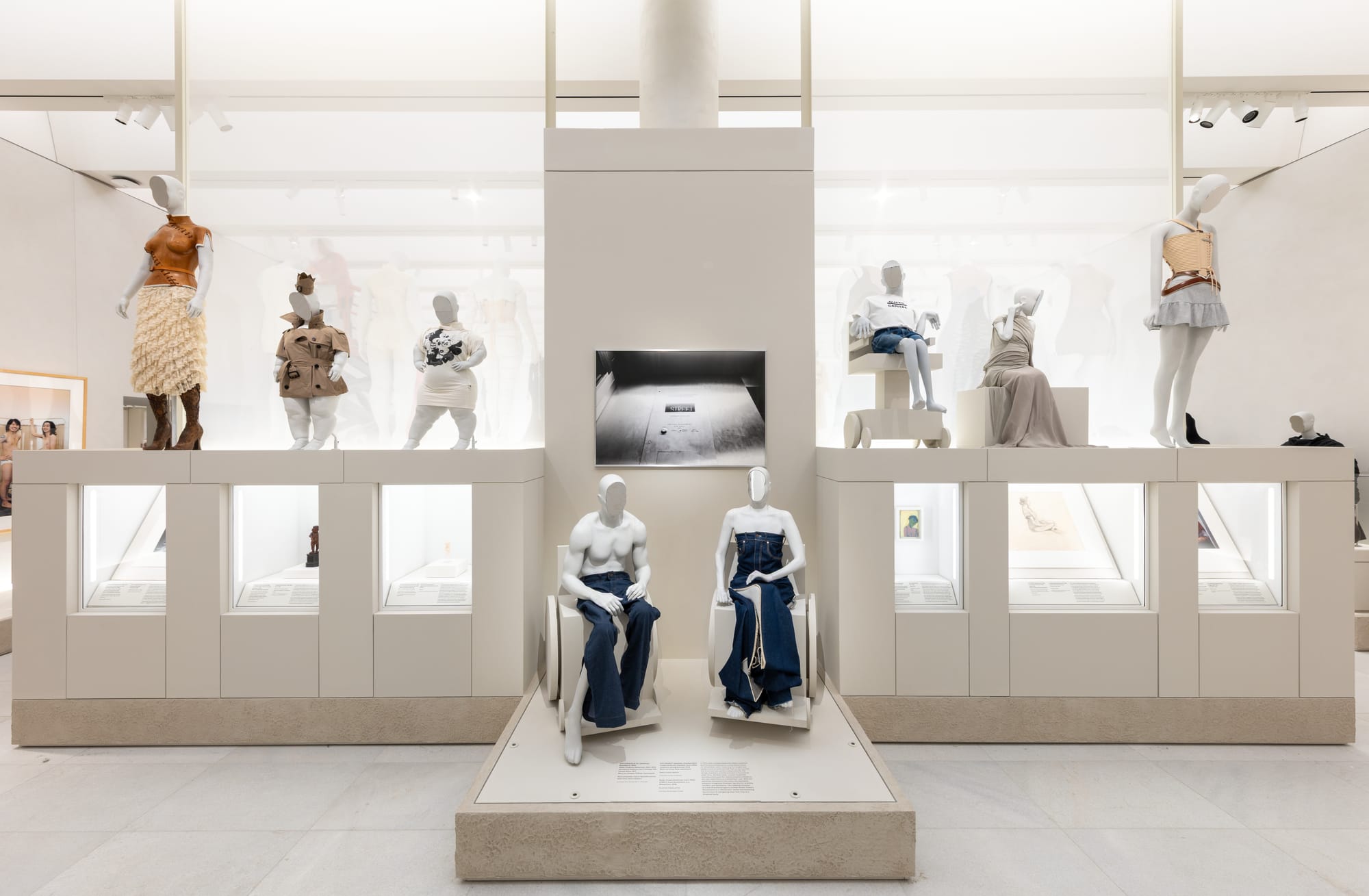
The exhibition continues with “The Pregnant Body” and “The Corpulent Body,” expanding the discussion of fashion beyond conventional ideals of thinness and perfection. The Pregnant Body rather than treating pregnancy as incompatible with fashion, the exhibition demonstrates how clothing can celebrate bodily transformation, movement and women beauty.
Similarly, “The Corpulent Body” questions long-established beauty standards by exploring volume, scale, and presence. The oversized and structured garments displayed in this section reject the fashion industry’s traditional preference for slim silhouettes, instead embracing fullness and spatial occupation. Here, the body is not minimized but amplified, becoming central to the visual and artistic experience of fashion.
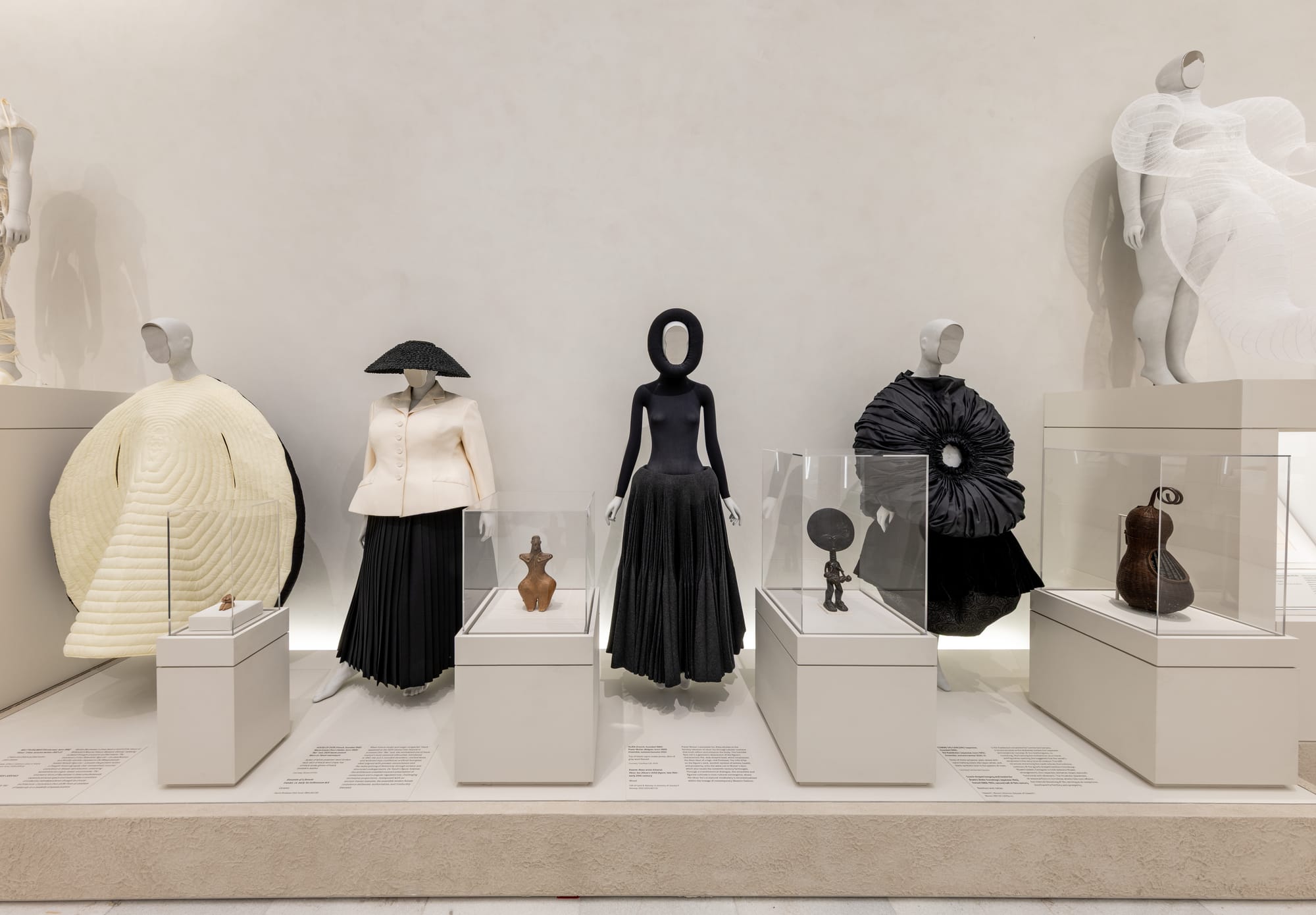
Then, the exhibition challenges the historical invisibility of “The Disabled Bodies” within fashion imagery and museum spaces, emphasizing that all bodies participate in fashion culture. The garments displayed alongside seated mannequins and adaptive silhouettes reveal how clothing can be reimagined to accommodate different physical experiences and modes of movement. Rather than perceiving disability as limitation, the exhibition frames the disabled body as a site of creativity, individuality, and expression. Fashion becomes not only aesthetic, but functional and inclusive, responding to the practical and emotional needs of diverse bodies.
The exhibition concludes with “The Aging Body” and “The Mortal Body,” showcasing the ephemeral nature of both fashion and human existence. In these final sections, Costume Art reflects on the passage of time, bodily transformation, and mortality, emphasizing that neither the body nor fashion is permanent.
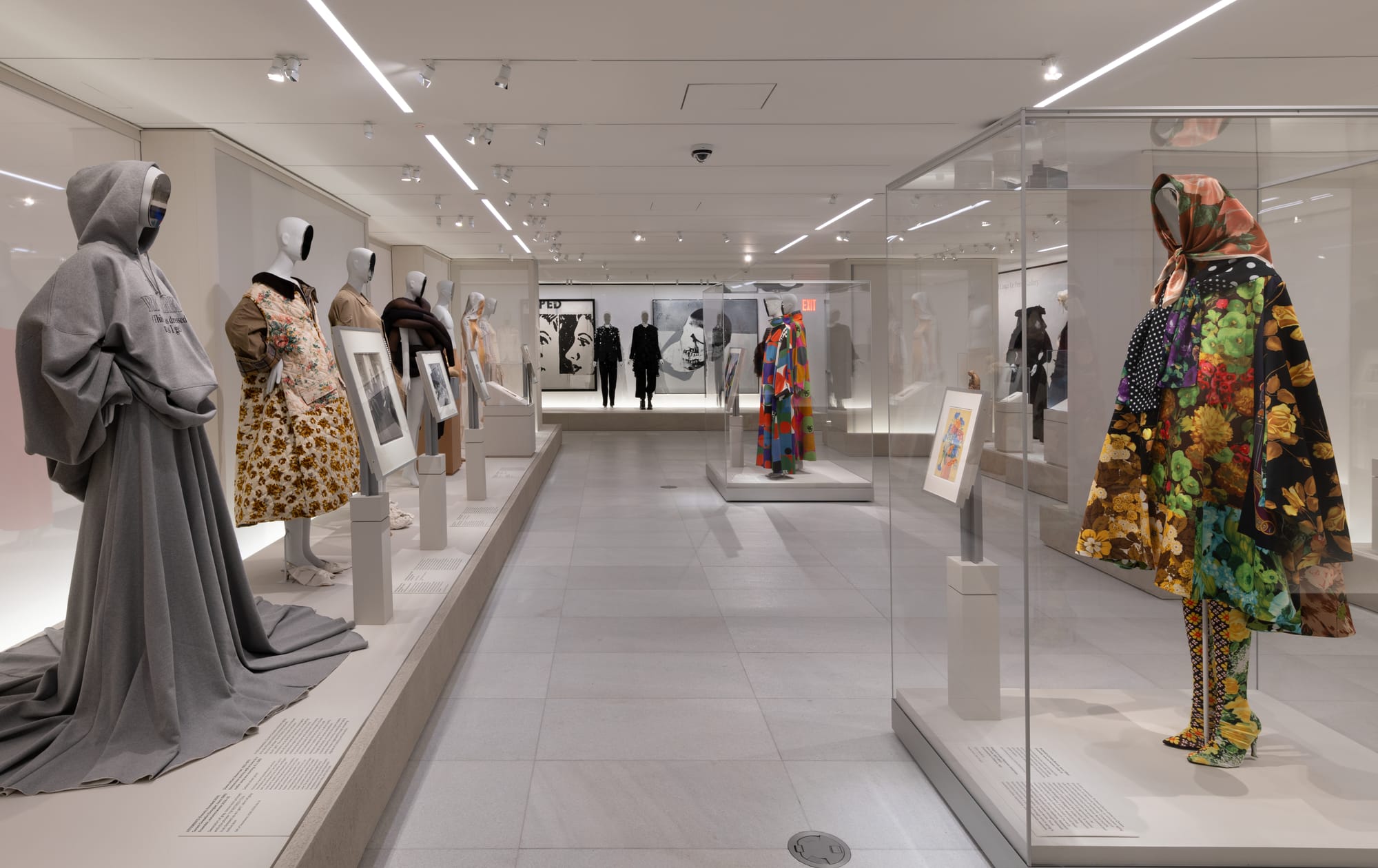
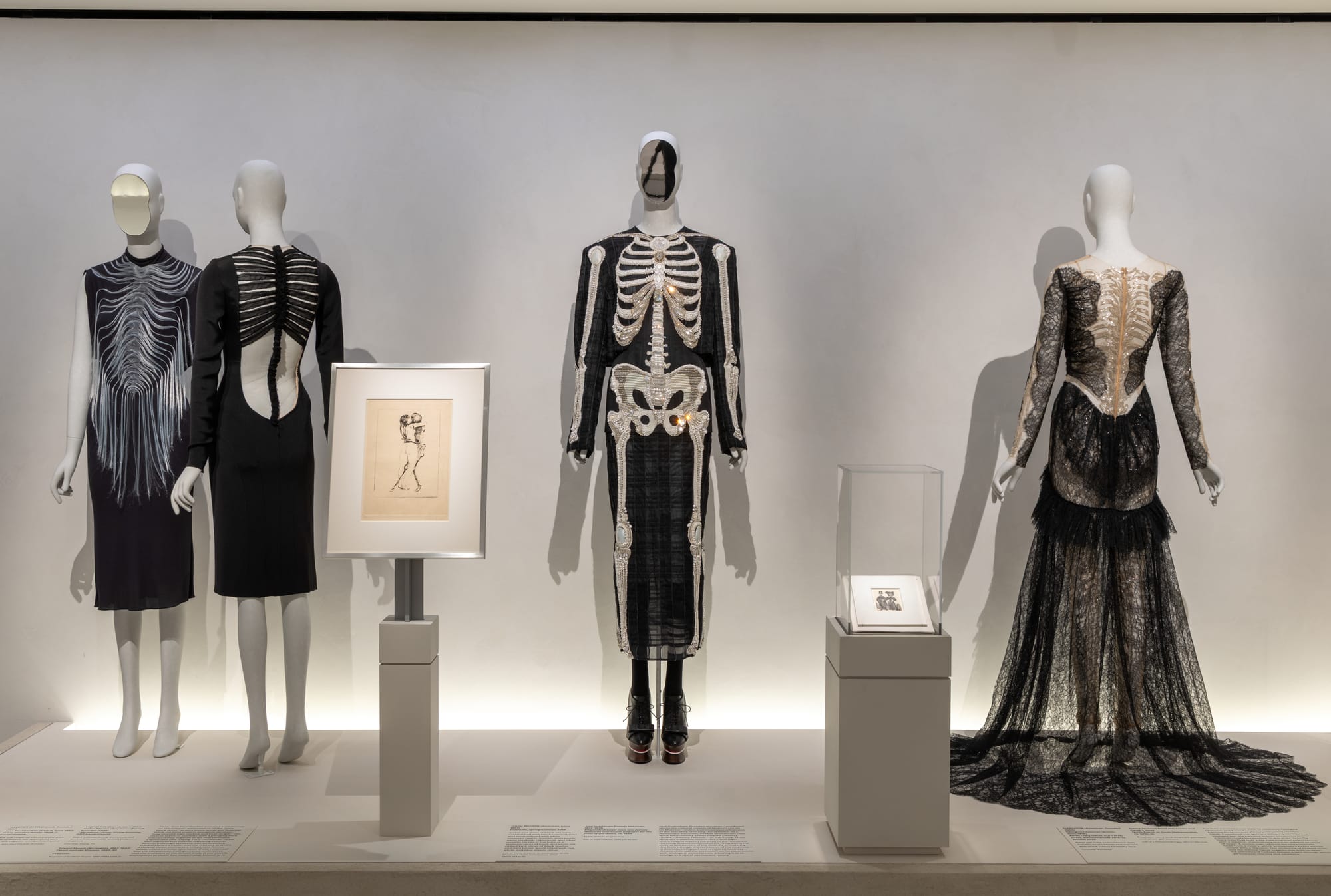
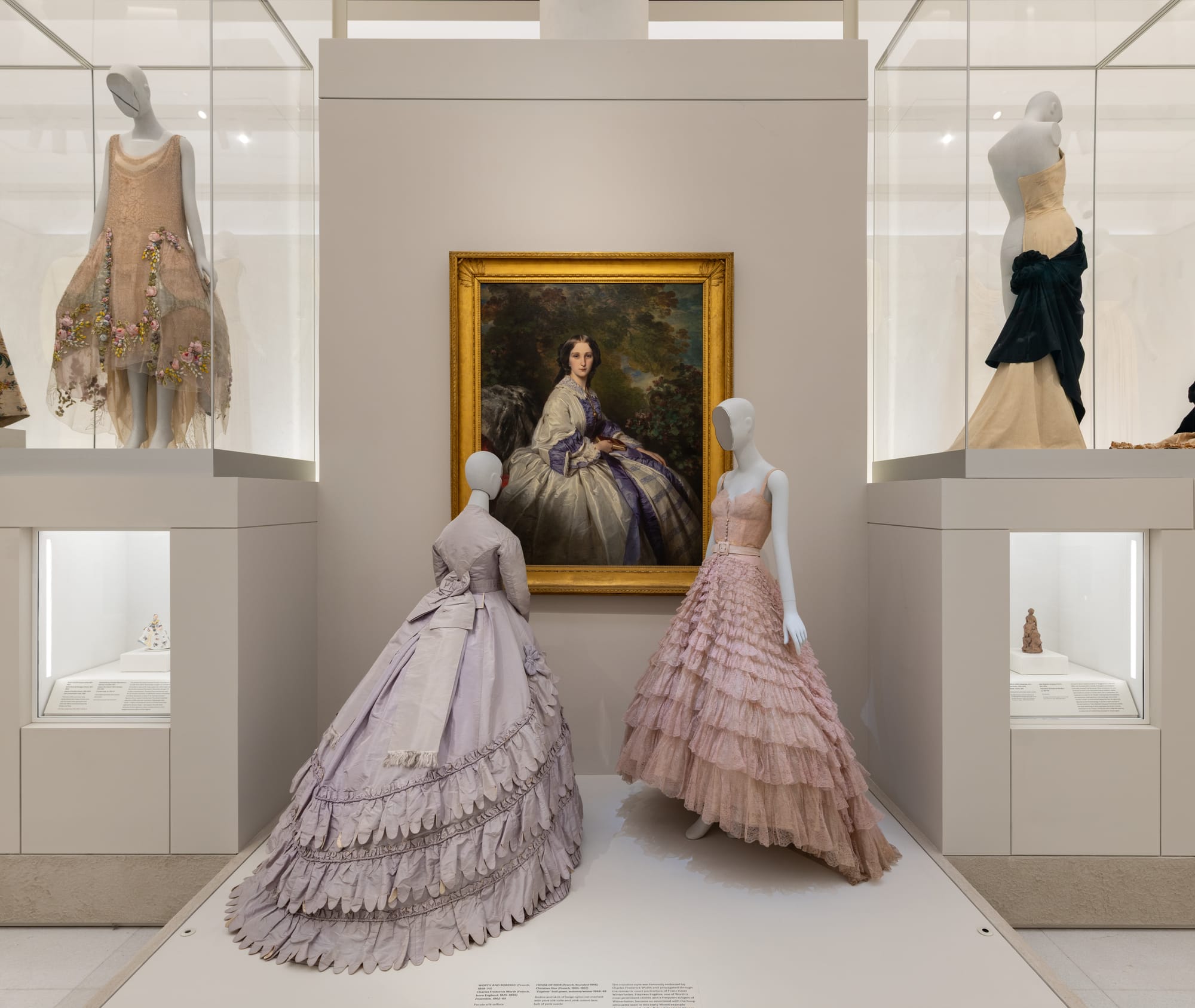
In conclusion, Costume Art demonstrates that fashion does not merely cover the body, but interacts with it aesthetically, socially, and symbolically. Throughout the exhibition, the body emerges as a living extension of art, where clothing shapes the body and its presence. By juxtaposing historical garments with fine art, the exhibition reveals how fashion continuously negotiates the boundaries between the real and the imagined body, challenging conventional notions of beauty and identity.
Moreover, Costume Art expands the understanding of fashion by presenting diverse bodies, emphasizing that fashion is inseparable from bodily experience. Throughout the exhibition, clothing is revealed not merely as adornment, but as a powerful tool through which status, identity, desire, and visibility are negotiated and expressed. The exhibition also echoes Kiyokazu Seiichi’s observation in Why Do People Wear Clothes? that clothing and makeup are attempts to “alter one’s very existence by transforming the image it projects.” More than a superficial act, dressing becomes a form of self-creation, a way of shaping how we are seen and, perhaps more importantly, how we see ourselves.
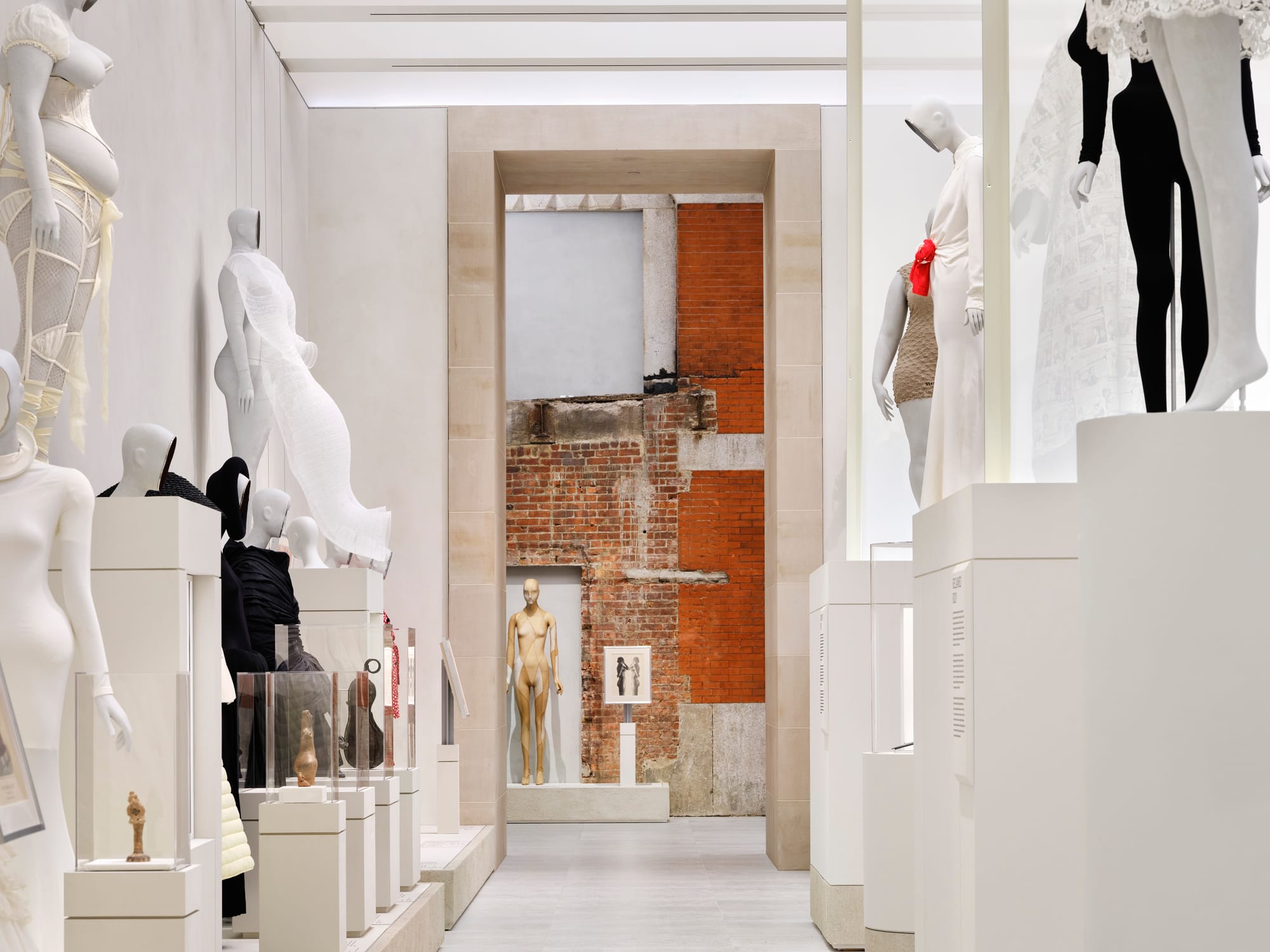
Viewed through this lens, this year’s exhibition invites a deeper reflection on the essence of fashion itself. Beyond craftsmanship, beauty, and trend, Costume Art returns us to fashion’s most intimate subject: the body. It is through the body that clothing acquires meaning, emotion, and presence. In doing so, the exhibition suggests that fashion is not simply something we wear, it is one of the most profound ways in which we experience and express our humanity.
The exhibition is on view from May 10, 2026, through January 10, 2027, at the Fifth Avenue location of The Metropolitan Museum of Art in New York City
Photo credits: © Anna-Marie Kellen - The Metropolitan Museum of Art