Fashion for art, or fashion as art?
Words by LawsonLawson
After an intensive day in Paris visiting art exhibitions funded or hosted by luxury fashion houses
—
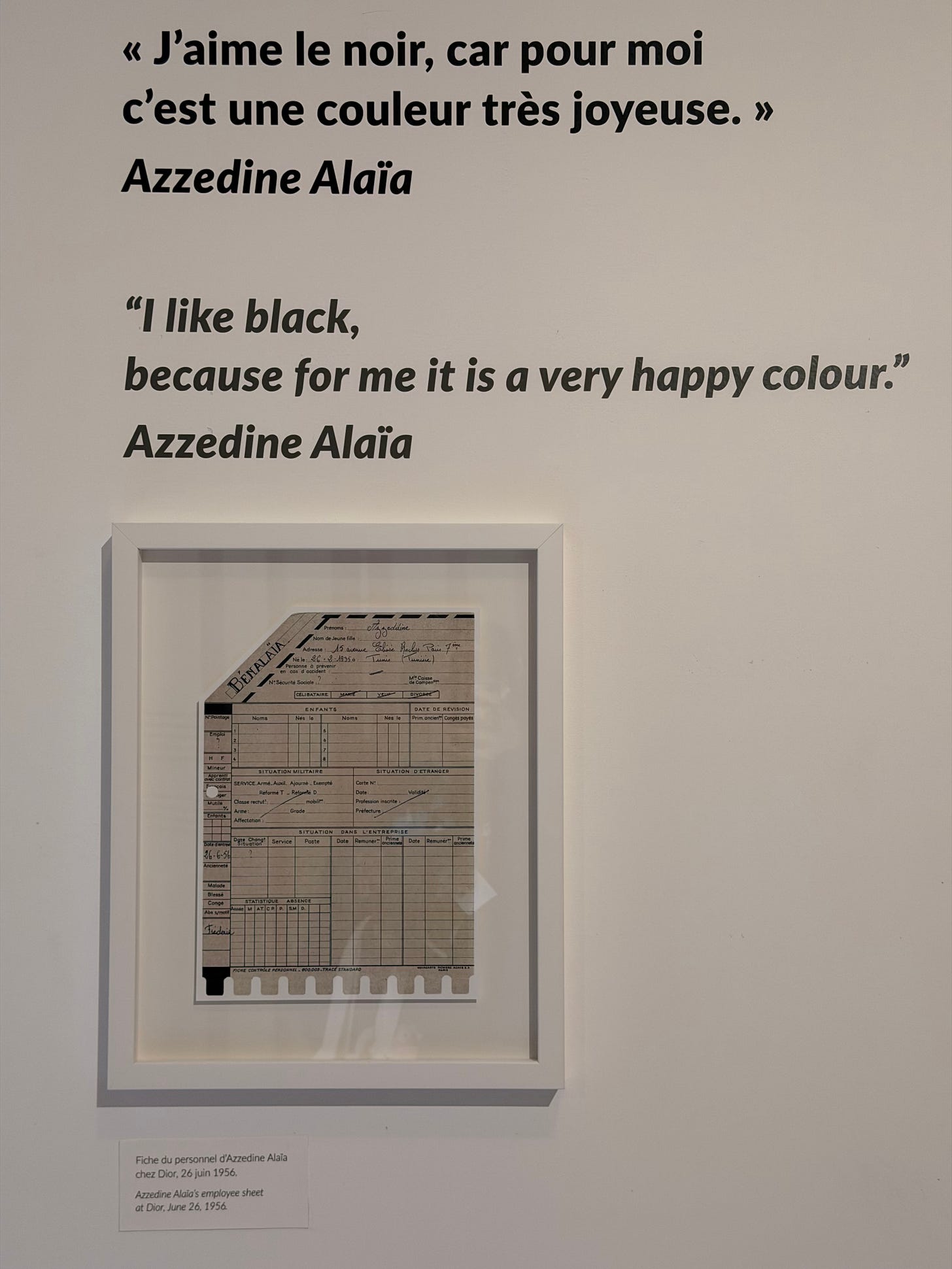
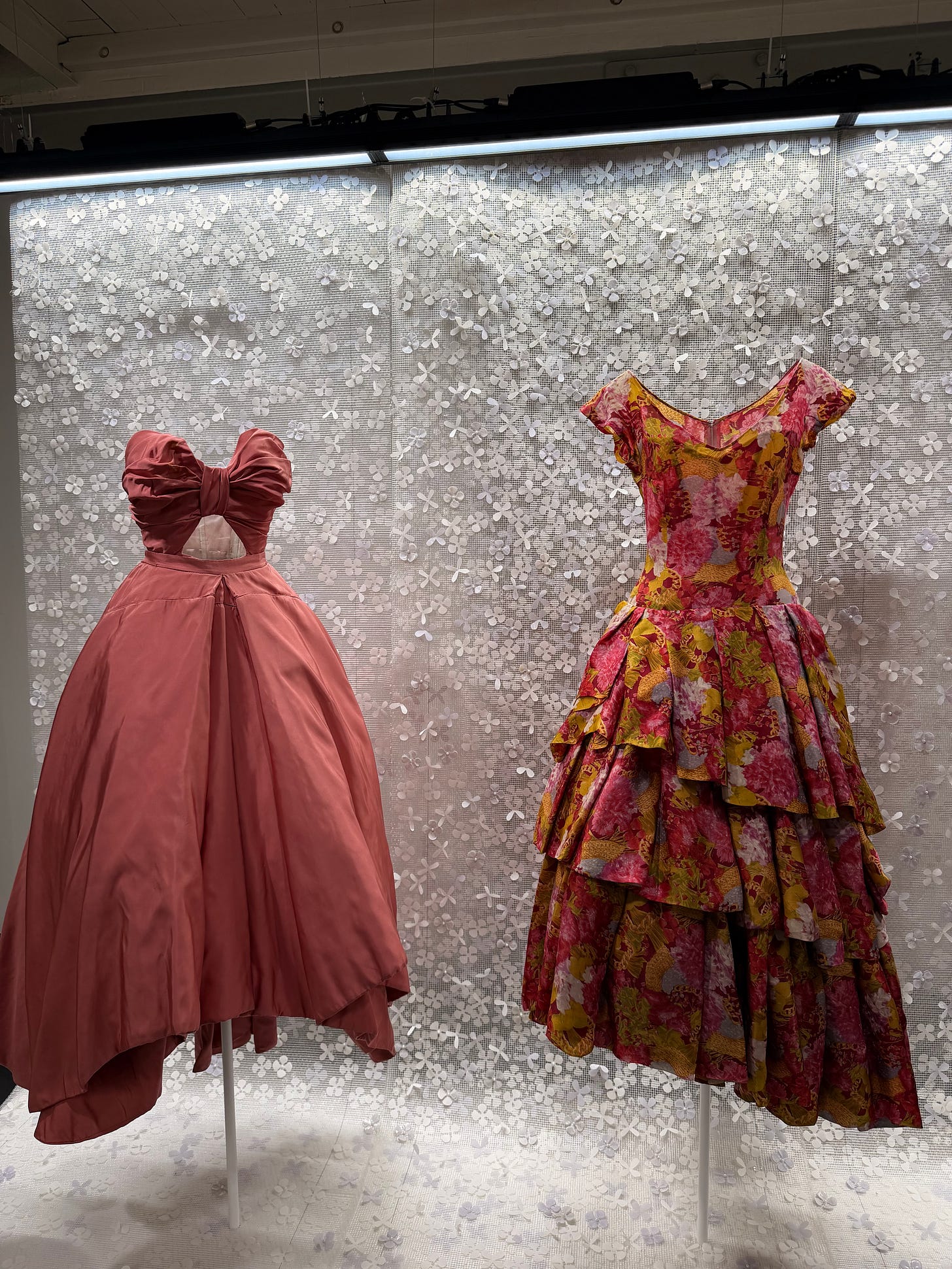
a speed date between Azzedine Alaïa and Christian Dior at the Alaïa
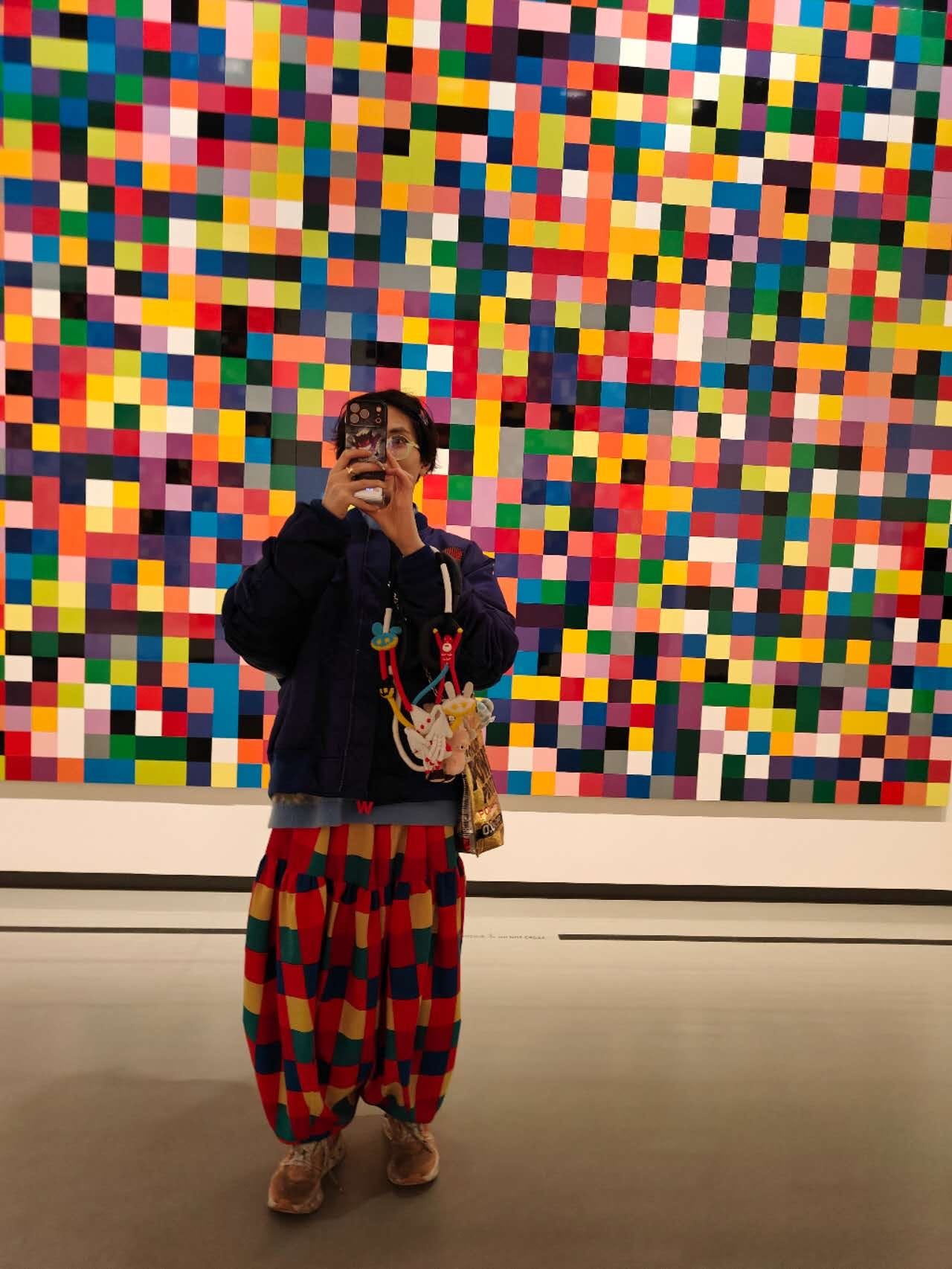
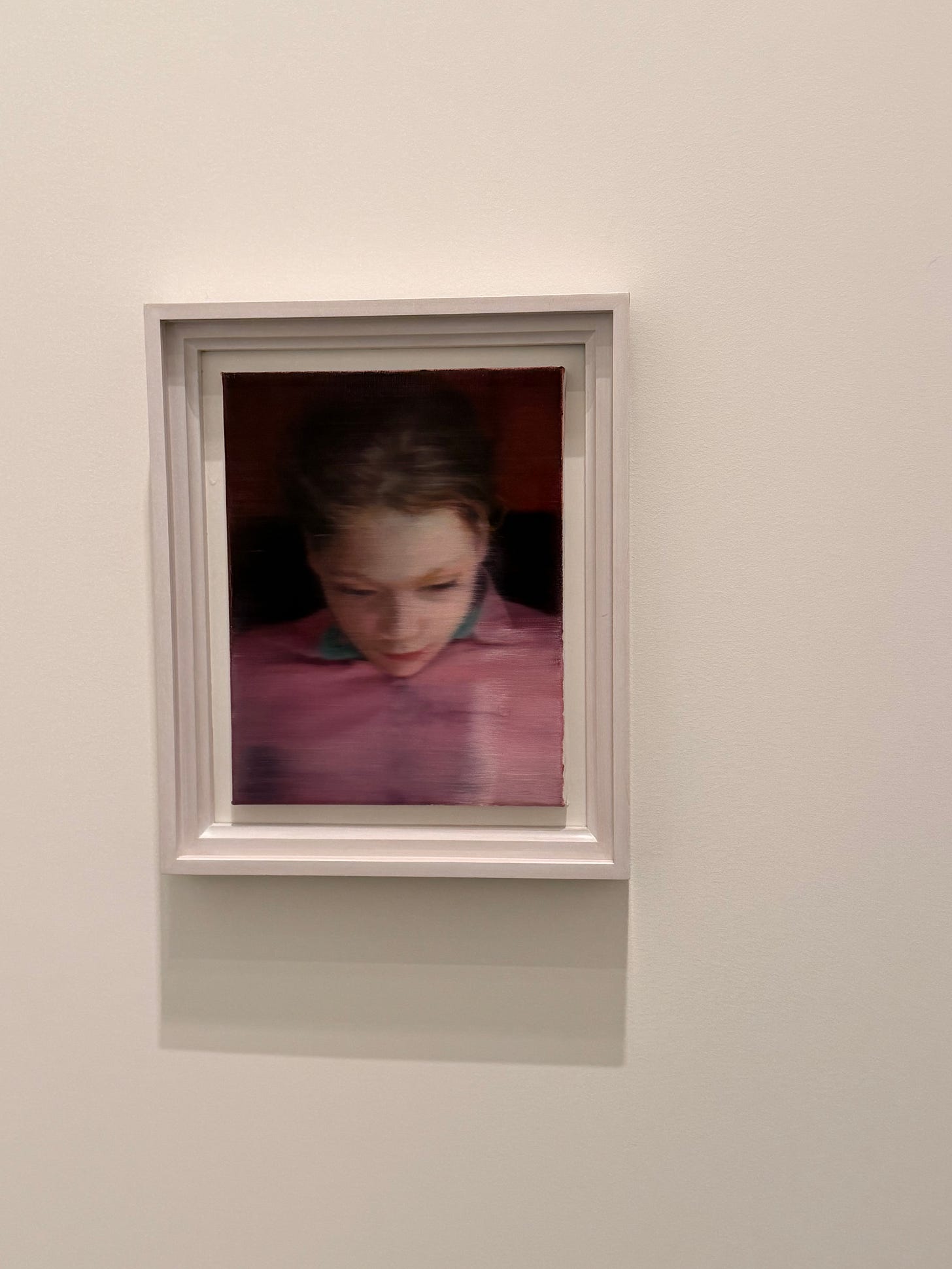
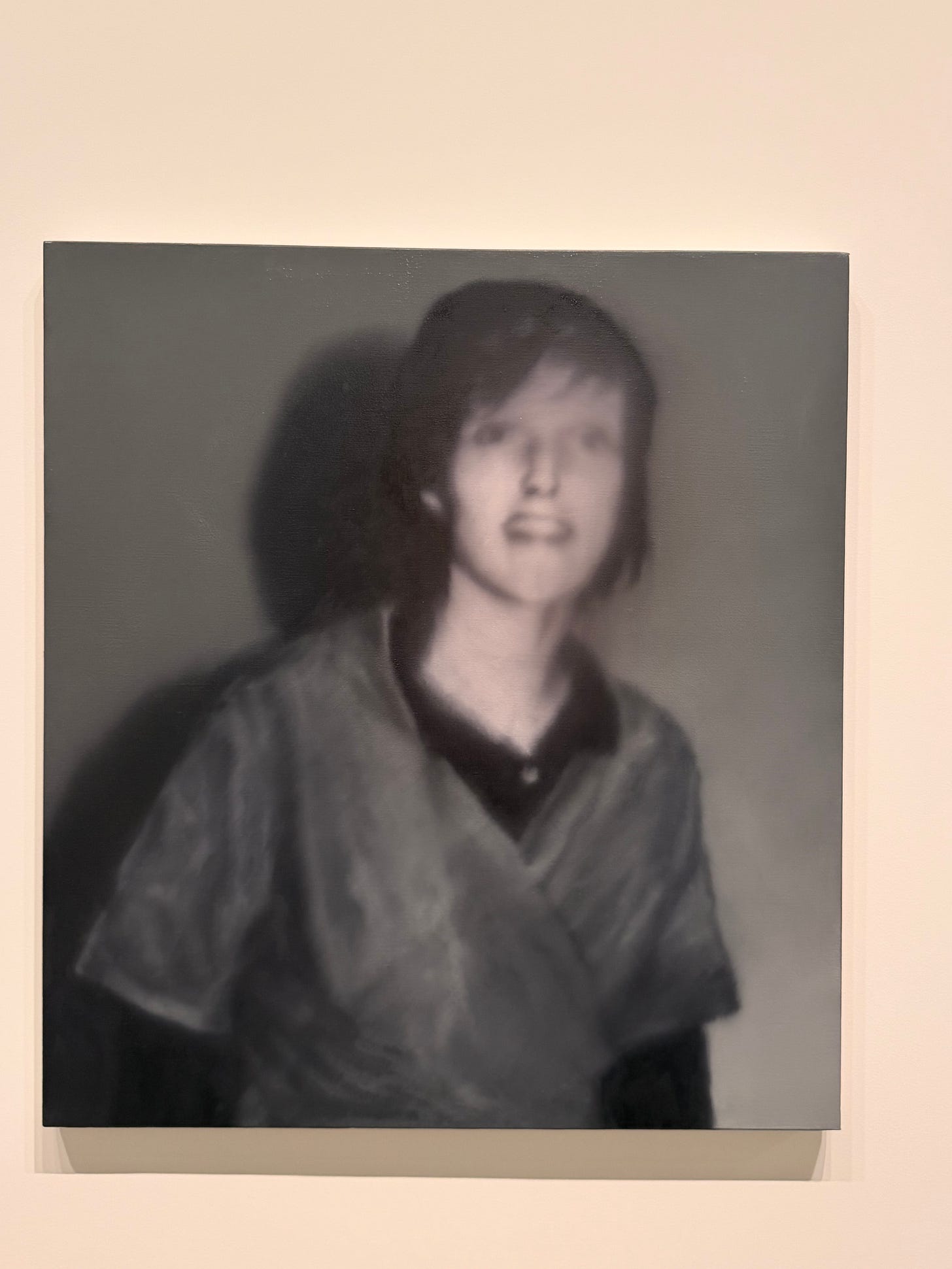
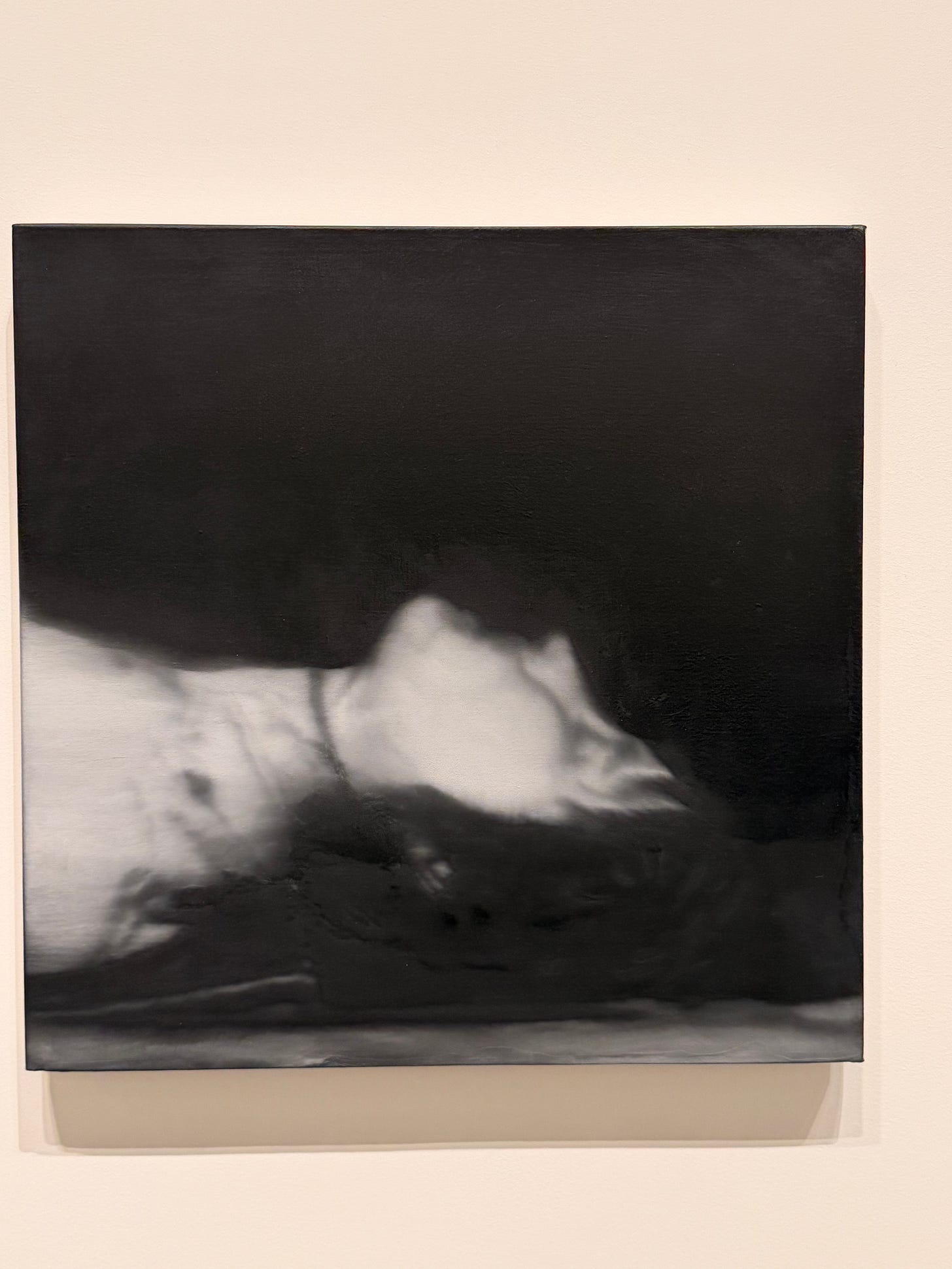
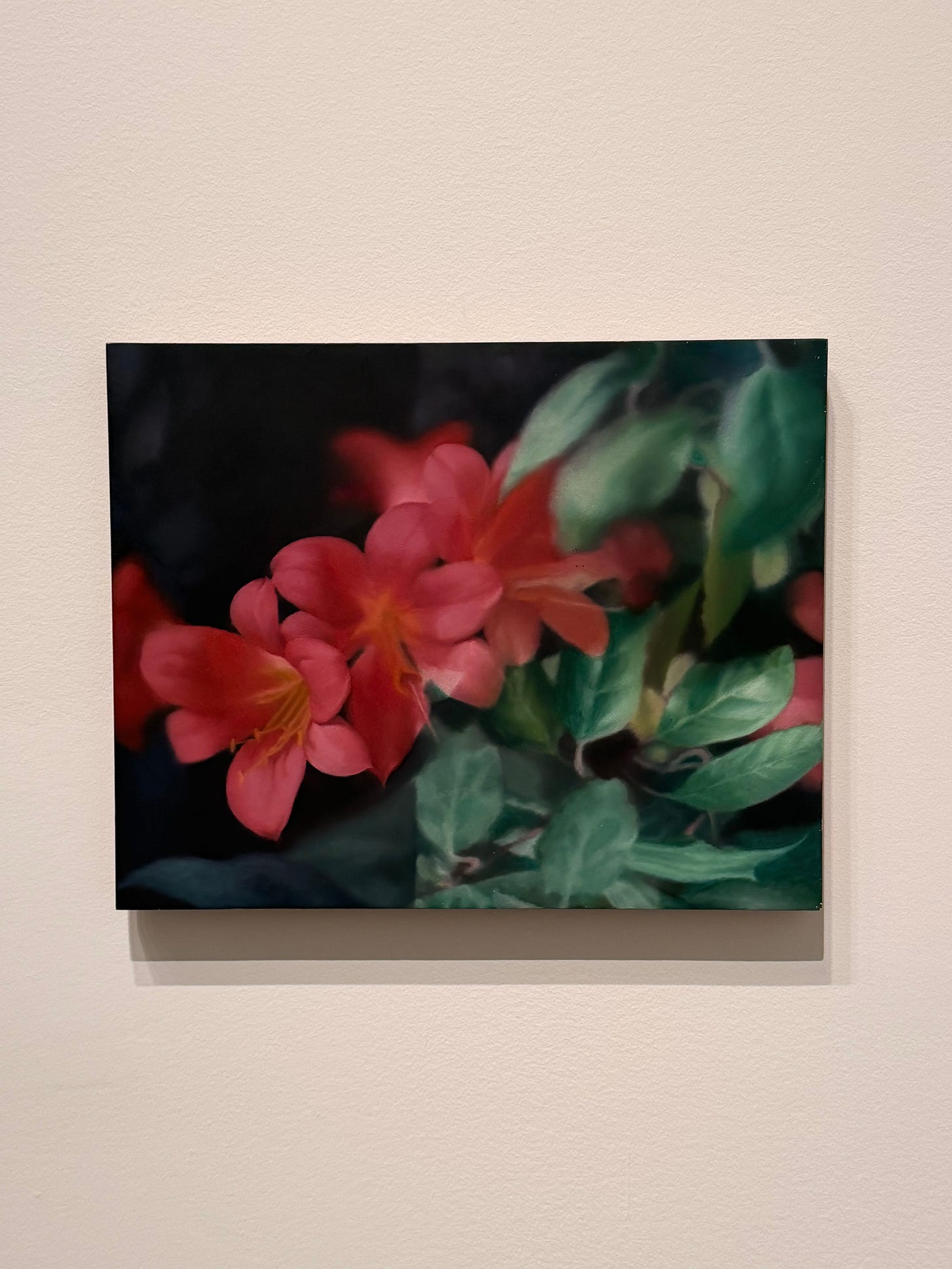
Foundation, Gerhard Richter at the Fondation Louis Vuitton, and Exposition Générale at the Fondation Cartier
—
oh wow, quite a day
—
I felt fully recharged with new inspiration
and creative flow (and yes, naturally, fuel for writing).
Yet an inner voice kept calling: Why are we seeing an increasing number of fashion
houses stepping into the art sector by opening foundations and museums? And if they
have already existed, why do we sense their presence more strongly now?
I couldn’t stop my head from spinning after boarding the last Eurostar back to Antwerp.
This curiosity pushes me to unpack the complex love–hate relationship between fashion
and art. Coincidental or not, this cycle has repeated itself throughout periods of cultural
expansion. After all, they are different paths toward the same Rome
—
an aesthetic of
beauty bound by time, yet surpassing time. In today’s challenging global economic
climate, the boundary between functional art and collectible fashion has gradually
blurred.
The long parallel romance between art and fashion is nothing new. The recent exhibition
“Art x Fashion” at the Museum at the Fashion Institute of Technology is one example of
an effort to explore the shared ground between the two realms. Ralph Rucci was both a
designer and a painter. The craftsmanship of Iris van Herpen or Rei Kawakubo is surely
regarded as art by many insiders. Salvador Dalí derived surrealist elements from the
fashion influences brought by his friend Elsa Schiaparelli.
Fashion and art are both born from the socio-cultural reflections of their eras, yet their
forms diverge. They can influence one another, act as agents for one another, and serve
as promotional platforms for each other. Although fashion has often been seen as the
“lesser” discipline in the eyes of traditional fine art purists, the rise of contemporary and
digital art is reshaping that long-standing stereotype.
Established fashion houses such as Louis Vuitton, Cartier, Gucci, and Alaïa
—
as well as
newer or independent names like Dries Van Noten host their own foundations to
promote both fine and contemporary art. This move goes beyond philanthropy or social responsibility. They aim not only to promote art, but in some ways to represent it. They strive to make art more accessible
—
but not too accessible
—
while simultaneously
strengthening their own brand valuation through association with artistic prestige.
The name “Fondazione Prada” was one of the major reasons we chose to visit. It simply
wouldn’t feel the same if it were called “Foundation H&M” or “Zara House.” I know
—H&M also owns a foundation, but its cultural impact does not quite match its financial
magnitude. A bit sarcastic? Perhaps. But the image conflict makes it difficult to associate
fast fashion with serious art patronage.
Moreover, brands today aim to create transformative experiences for their potential
customers. According to research from the European Marketing Association, we
purchase fashion not only for value or functionality, but for the emotional transformation
it promises. If a brand can make us feel slightly improved
—
perhaps more informed,
more cultured, more aware (for instance, discovering a new artist and their visual
language at the Gerhard Richter exhibition at the Fondation Louis Vuitton)
—
we are
more likely to buy. It allows us to feel closer to our aspirational self. Call it a dream
—
or
a delusion, in my case 😌
Historically, the private patronage of artists by the noble classes was common during the
Italian Renaissance. Between the 15th and 18th centuries, wealthy families such as the
Medici in Florence or the Torlonia in Rome supported painters, writers, and architects
—
including Michelangelo, Pico della Mirandola, and Leonardo da Vinci
—
through
commissions and long-term patronage.
If we fast-forward to today, many fashion school graduates build their final collections
upon artistic references. Names like Erwin Wurm, Ann Truitt, Mike Kelley, and Paul
McCarthy frequently appear on mood boards
—
just as the Antwerp Six once reshaped
the language of fashion through artistic dialogue.
If the trend of major fashion houses entering the art sector is not ending anytime soon,
let us hope for more Fondazione Prada and Fondation Louis Vuitton to emerge in
different cities
—
and more importantly, to create meaningful opportunities for emerging
artists and fashion designers to collaborate, exchange knowledge, and access funding.
Luxury conglomerates may well become some of the few players capable of fostering a
stronger cultural future
—
especially when public institutions are often weakened by
political and economic realities.
Fashion for art?
Or fashion as art?
Perhaps the question itself is the most beautiful blur of all.